
Cycling specific insoles
Should you buy some?
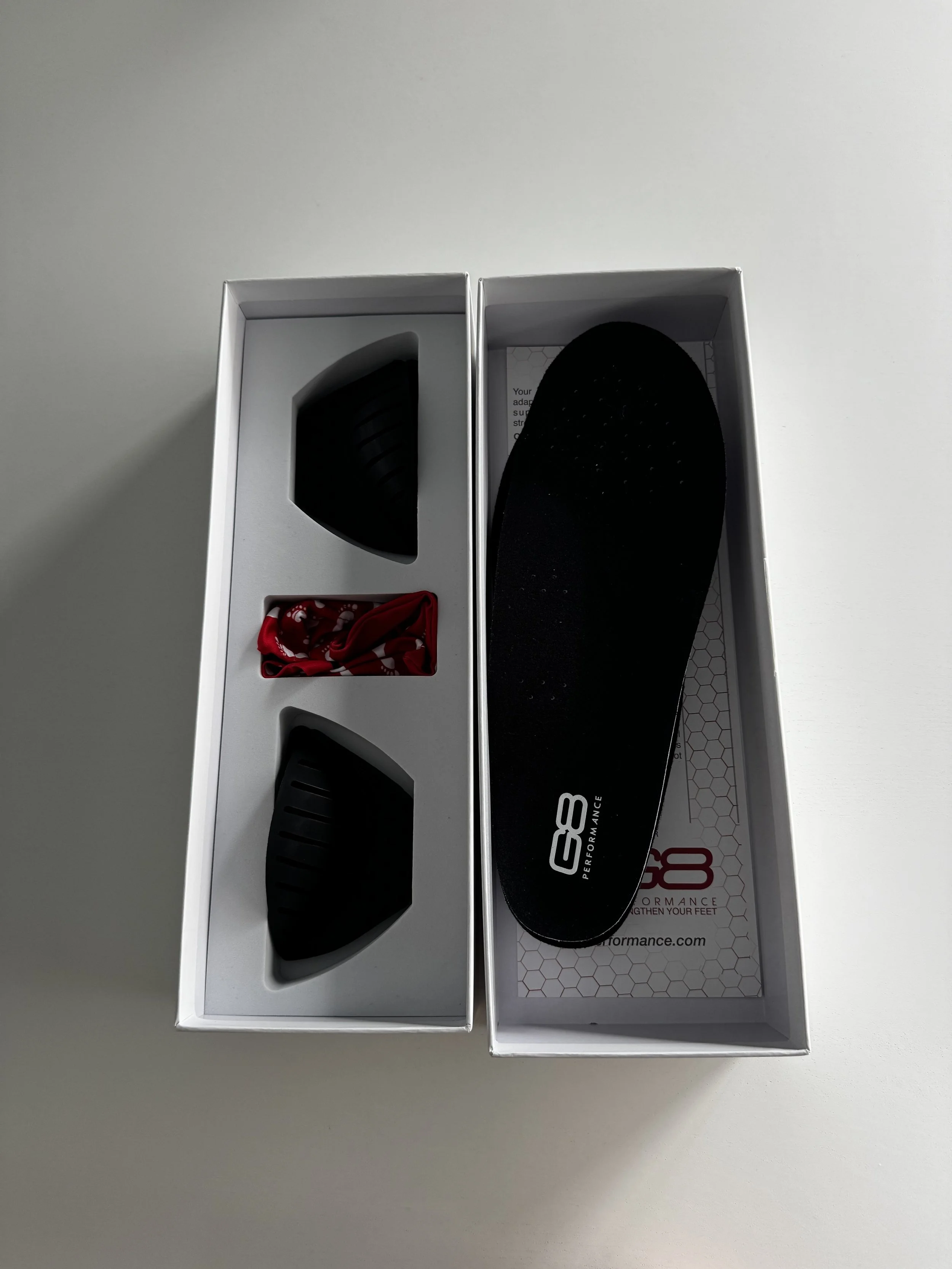
G8 modular insoles
One of the most overlooked contact points in cycling is the foot. Every watt you produce passes through it, and if the foot is unstable inside the shoe, that instability can travel all the way up the kinetic chain — affecting knee tracking, saddle stability, and overall comfort.
But before talking about insoles, one thing matters most:
A good cycling shoe fit always comes first.
The right last shape, toe box width, outsole shape, and overall volume are far more important than any insole. An insole cannot fix a shoe that is too narrow, the wrong shape, or the wrong size.
Once the shoe fits correctly, insoles can become a very effective fine-tuning tool.
Why foot stability matters in cycling
Many cyclists have feet that collapse or expand under load — especially riders with flexible arches, pronation, supination, or generally “elastic” feet.
During hard pedaling, the arch can flatten and the forefoot can spread inside the shoe, creating:
Hotspots or numbness
Unstable knee tracking
Excessive foot movement
Saddle instability
Reduced comfort over long rides
The goal of a cycling insole is not to rigidly lock the foot in place, but to create a more stable platform under load.
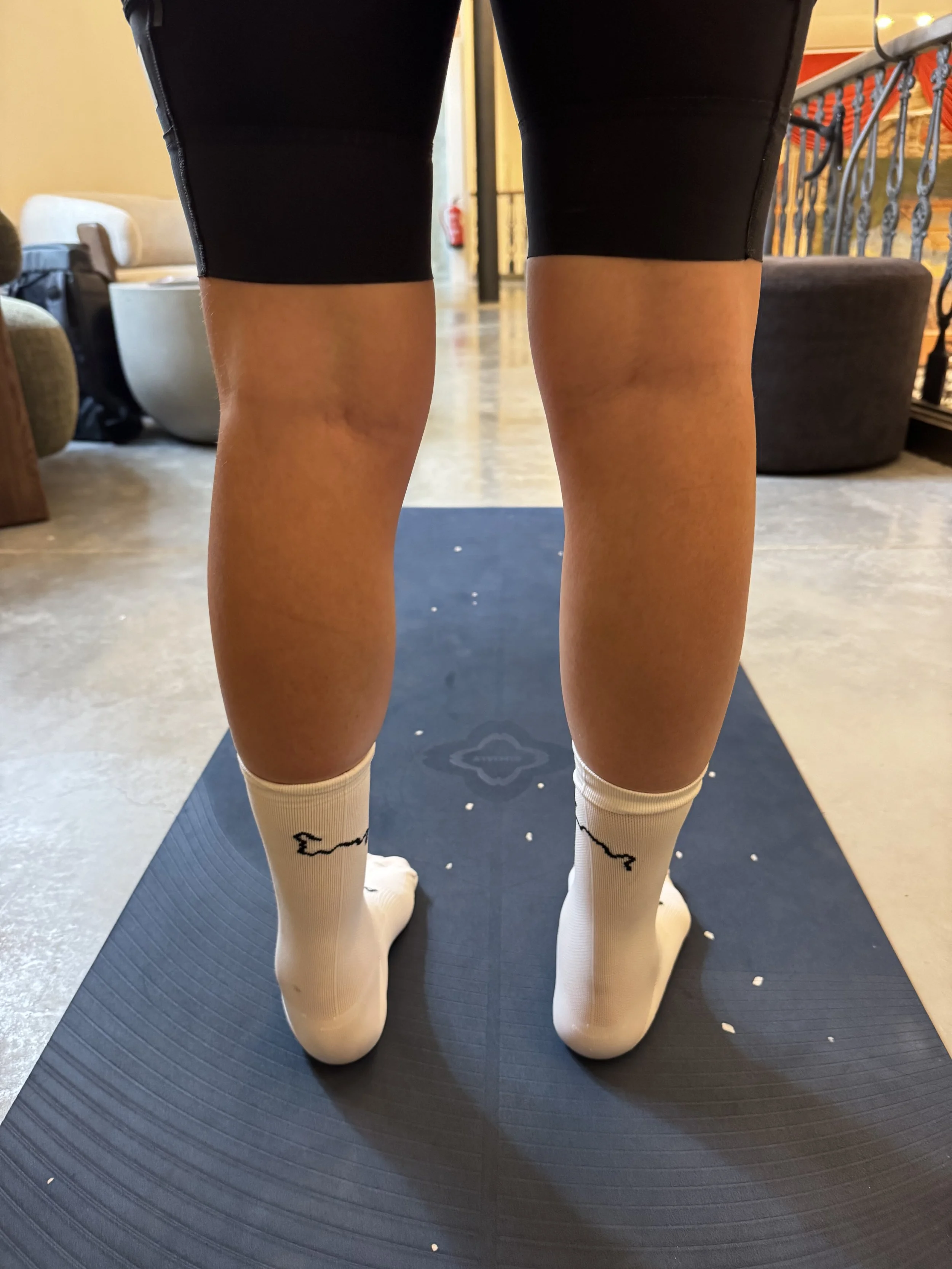
example of a supinated foot
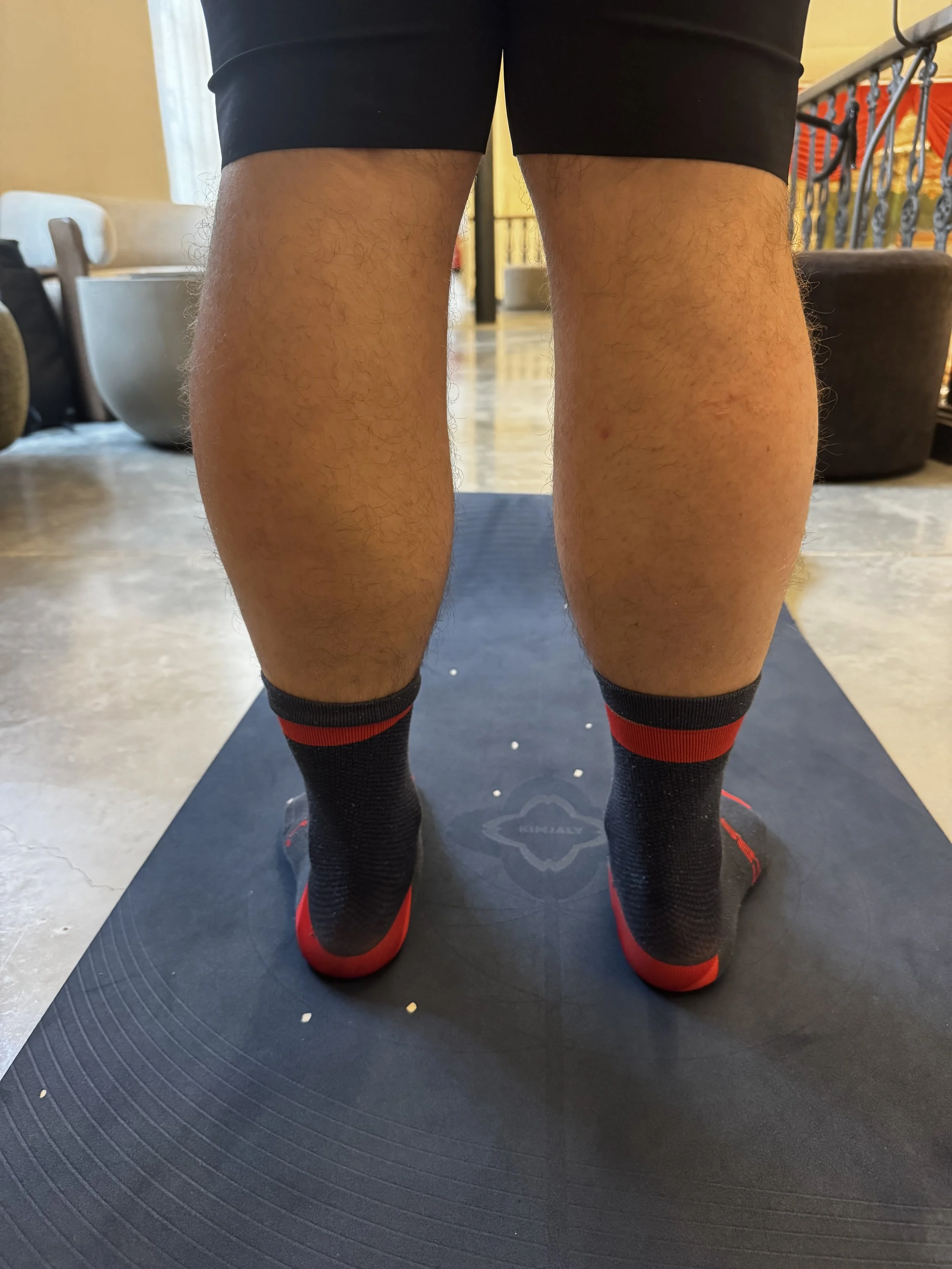
example of a pronated foot
The G8 2620 Insoles
What makes the G8 system different is its modular design. Instead of using a fixed arch shape, the arch support can be moved and adjusted depending on the rider’s foot mechanics and pressure patterns.
This allows me to tailor support for:
Arch collapse
Pronation or supination tendencies
Flexible feet that deform under load
Riders needing more midfoot stability
In many cases, improving foot support also improves stability at the saddle because the rider is producing force from a more controlled platform.
For riders wanting a firmer and more direct feel, we also sometimes use moldable insoles from Lake Cycling.
Downsides
The biggest downside of insoles is volume.
This is especially important with fully custom insoles, which are often thicker and more rigid than cycling-specific options. While they can work very well in some cases, they may also take up too much space inside a performance cycling shoe.
That’s why, in many situations, a cycling or sports-specific insole like the G8 Performance 2620 can be a better compromise — offering support and stability while still being designed around the lower-volume fit of cycling shoes.
Do You need cycling insoles?
Not every cyclist needs an insole.
Some riders naturally have stable feet, good pressure distribution, and shoes that already match their foot shape very well. In those cases, the stock insole may be completely sufficient.
However, insoles can be worth considering if you experience:
foot numbness or hot spots
arch discomfort
instability during hard efforts
knees tracking inconsistently
excessive movement on the saddle
pressure on the outside or inside of the foot
feet that noticeably collapse or spread under load
If you’re unsure whether you need cycling insoles, the best option is to assess your feet and position properly on the bike. During a fitting session, I’ll look at your shoe fit, foot stability, pressure distribution, and pedaling mechanics to find the most suitable solution for you — whether that’s an insole, wedging, metatarsal support, or simply a better-fitting shoe.